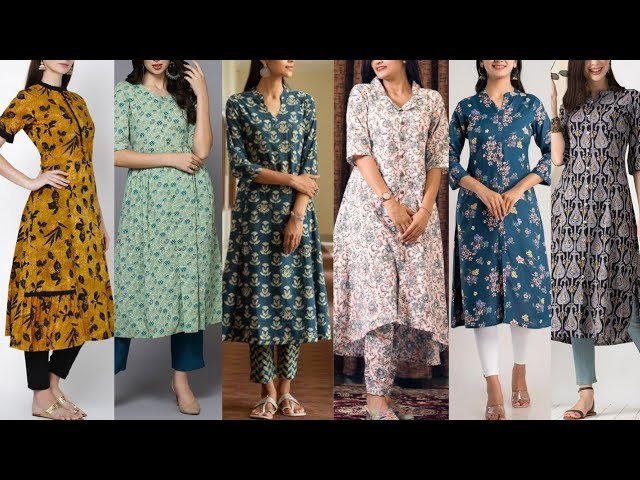
Let’s be honest—monsoon dressing is a battle. You step outside feeling put-together, and within ten minutes, you’re a damp, clingy mess, wondering why you bothered. The humidity wraps around you like a warm, wet blanket. Your kurti suits your back. And somewhere between the auto-rickshaw and your office, you’ve developed that particular monsoon shimmer that has nothing to do with highlighter.
So how do you actually dress for this? Not in some aspirational, Pinterest-board way, but in a real, “I have to survive a Mumbai local” way?
It comes down to fabric. And not just “light fabric”—because plenty of light fabrics turn traitor the moment humidity hits 80%.
What Actually Works
Cotton—but the right kind. Thin cotton is a trap. It soaks through, goes see-through, and clings like it has abandonment issues. What you want is medium-weight cotton with a tighter weave—the kind that has some body to it. It holds its shape even when you’re sweating, dries reasonably fast, and doesn’t require an engineering degree to iron. Skip the muslin and voile. They’ll betray you.
Linen-cotton blends are genuinely great if you can find them. Pure linen wrinkles if you so much as look at it wrong, but blended with cotton, it calms down. The linen pulls moisture away from your skin faster than cotton alone, and the cotton keeps the whole thing from looking like you slept in it. Plus, it doesn’t hold odour—which, if you’re commuting without AC, matters more than you’d like to admit.
Tencel (or lyocell, if we’re being technical) is the quiet overachiever. It feels silky, stays cool to the touch, and handles moisture like a dream—absorbing it, spreading it out, and drying before you’ve noticed anything happened. It drapes beautifully, too. The catch? Pure Tencel can be a bit delicate for daily wear, so look for blends with cotton or rayon.
Crinkled rayon gets a conditional pass. The crinkled texture creates tiny air pockets between the fabric and your skin, which helps. And the built-in wrinkles mean you never have to iron it—a genuine monsoon miracle. Just avoid the smooth, shiny kind. That stuff clings like plastic wrap the second you start sweating.
What to Quietly Avoid
Polyester is the obvious villain, but it bears repeating. It doesn’t breathe, it traps heat, and it holds onto odour like a grudge. Even the “moisture-wicking” athletic versions aren’t designed for the kind of all-day, low-airflow situations you’re dealing with in a kurti.
Silk is beautiful and completely impractical for the monsoon. It absorbs water, takes forever to dry, feels clammy against damp skin, and will develop mildew if you don’t dry it immediately. Save it for winter weddings.
Anything with too much spandex (more than about 5%) tends to stretch out of shape in humidity, and the elastic degrades faster in warm, damp conditions. That fitted kurti will be a saggy kurti by August.
Sheer georgette or chiffon without lining is just asking for trouble. Clingy when damp, impossible to dry indoors, and usually requires a safety pin intervention at some point.
A Few Practical Notes
Length: Knee-length or just below saves your hemline from puddle splashes and dirty sidewalks. Unless you’re staying all day indoors, floor-length is a liability.
Sleeves: Three-quarter sleeves or flutter sleeves give you coverage without turning your arms into steam rooms. Full sleeves in monsoon humidity are an endurance test.
Necklines: Anything that lets air hit your collarbone—boat necks, square necks, relaxed V-necks—helps more than you’d expect.
Drying: Always air-dry in shade. Sun plus humidity yellows lighter colours. And never, ever put a damp kurti back in the cupboard. Mildew doesn’t wait.
The Real Point
Getting dressed shouldn’t feel like a strategic decision, but in the monsoon, it kind of is. The right fabric means you stop thinking about what you’re wearing—you’re not tugging at clingy bits, you’re not worried about sweat patches, you’re not doing that subtle arm-lift-and-fan manoeuvre in meetings.
You just… go about your day. Which, when the air feels like soup and the sky can’t decide whether to rain or not, is honestly the best you can ask for.
Kurti buying guide for beginners 2026: Your Easy Step into Kurti Chic
Author: Minakshi Maurya